VENUES
Wherever there are tables
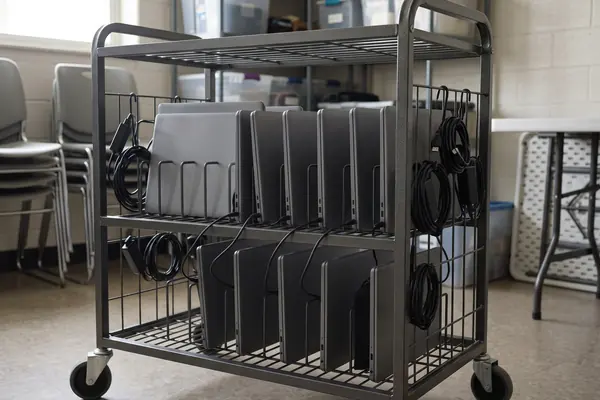
Code Club says clubs are held in schools, libraries, office spaces and community centres, and can be started by one person or a team.
How clubs start calvarycti
COMMUNITY TECH, IN PLAIN ENGLISH
Many coding clubs are run by volunteers, not programmers.

FREE CLUBS volunteer-led
2.3 million Young people who have attended Code Clubs
Code Club, run by the Raspberry Pi Foundation, says you don't need any coding experience to run a club, and that clubs meet in schools, libraries, offices and community centres. This independent guide explains how volunteer coding clubs work and how they fit with what schools in England already teach. It is not a club, church or course provider.
THE SHORT ANSWER
The structure is simple.
Safeguarding is built in from the start.
VENUES
Code Club says clubs are held in schools, libraries, office spaces and community centres, and can be started by one person or a team.
How clubs startPROJECTS
Leaders get access to over 200 projects in up to 40 languages, from group challenges to learner-led sessions where young people choose their own.
What schools coverVOLUNTEERS
Code Club says you don't need any coding experience to run a club, and volunteers can also support an existing club in their community.
See the numbersWHAT SCHOOLS ALREADY TEACH
Clubs often build on school lessons. Choose a key stage to see a flavour of England's national computing curriculum. The bar shows how advanced each stage is.
From the Department for Education's national curriculum computing programmes of study (England). A selection of points, not the full list.
THREE STEPS, PLUS ONE
Code Club describes starting a club in three steps. The fourth is about what happens once sessions begin.
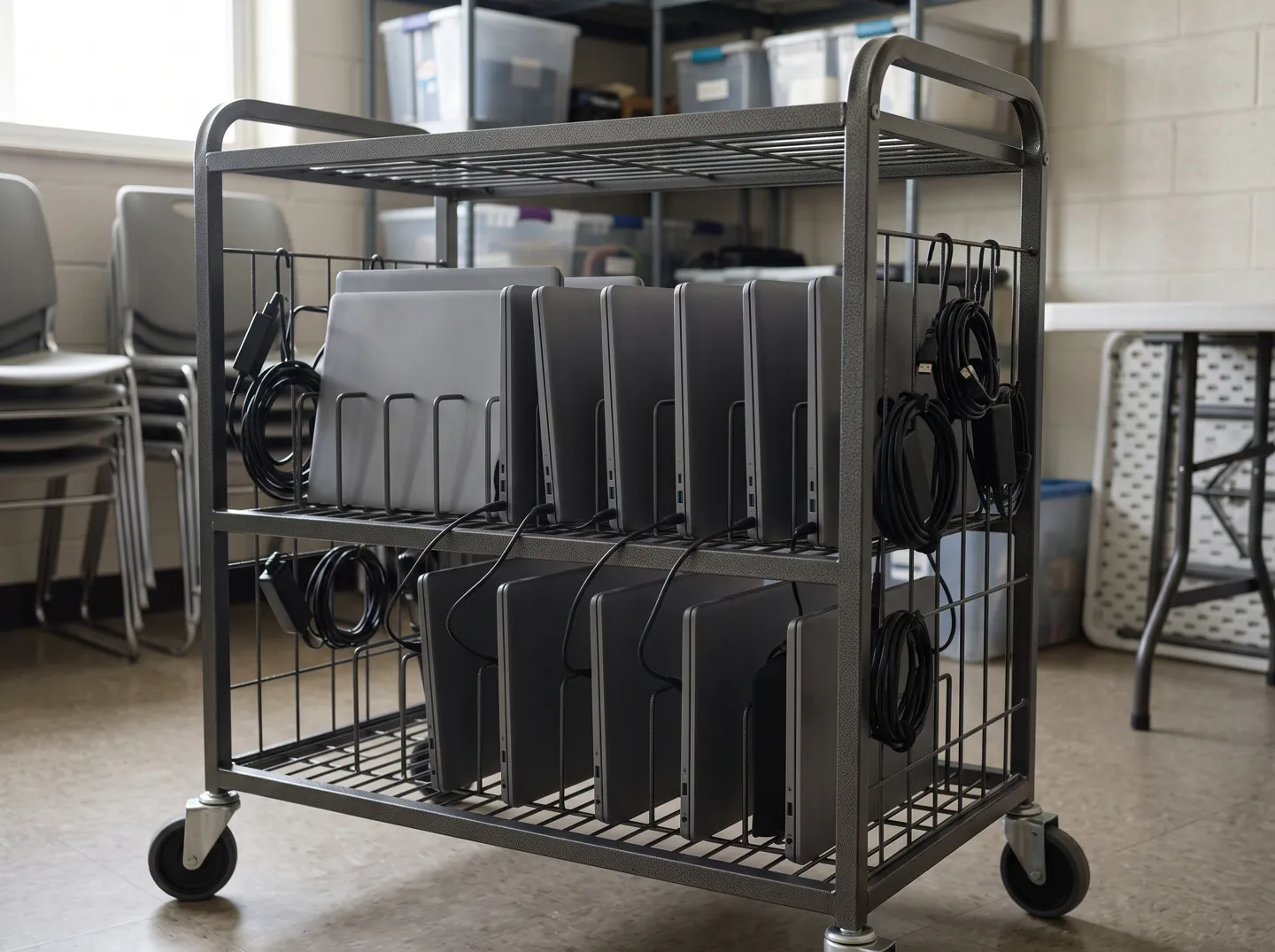
Code Club lists schools, libraries, office spaces and community centres as typical venues.
Give the club's details; you may be asked to nominate a safeguarding sponsor.
Once the club is verified, the Code Club leader guide covers how to run it.
Try group challenges, themed meetups and learner-led sessions where young people pick their own projects.
TWO NUMBERS WORTH KNOWING
Figures as the Raspberry Pi Foundation
and Code Club publish them.
2.3 million
Young people who have attended Code Clubs
The Raspberry Pi Foundation, which runs Code Club, says 2.3 million young people have attended Code Clubs. Code Club itself says clubs are active in more than 100 countries.
REACH · RASPBERRY PI FOUNDATION
200+
Free projects available to club leaders
Code Club says leaders can choose from over 200 projects, available in up to 40 languages, to plan their sessions.
PROJECTS · CODE CLUB
These are the organisations' own published figures, shown as they state them; this page has not independently audited them.
SAFEGUARDING
Code Club says safeguarding is at the heart of everything it does, and provides resources to help clubs put the right policies and practices in place for young people.
Registration may involve nominating a safeguarding sponsor. Any group working with young people should check the safeguarding and background-check rules that apply to its volunteers before sessions start.
Questions
No, according to Code Club, which says you don't need any coding experience to run a Code Club. It provides free projects and a leader guide.
Code Club says clubs are held in lots of different places, such as schools, libraries, office spaces and community centres.
Code Club says its clubs are free and open to all school-aged young people.
The national curriculum runs from understanding algorithms and debugging simple programs at key stage 1 to using two or more programming languages and binary at key stage 3.
No. This is an independent informational guide that quotes Code Club, the Raspberry Pi Foundation and the Department for Education. It does not run clubs or recruit volunteers.
Updated
ABOUT THIS NAME
calvarycti.com is part of the DoodleSale portfolio. It isn't in an auction right now, but you can ask about leasing it.